
Veneers vs Crowns: Enhance Your Smile with the Right Option
Cosmetic dentistry has evolved significantly, offering various treatments to achieve the smile you've always wanted. Explore the key factors to consider when...
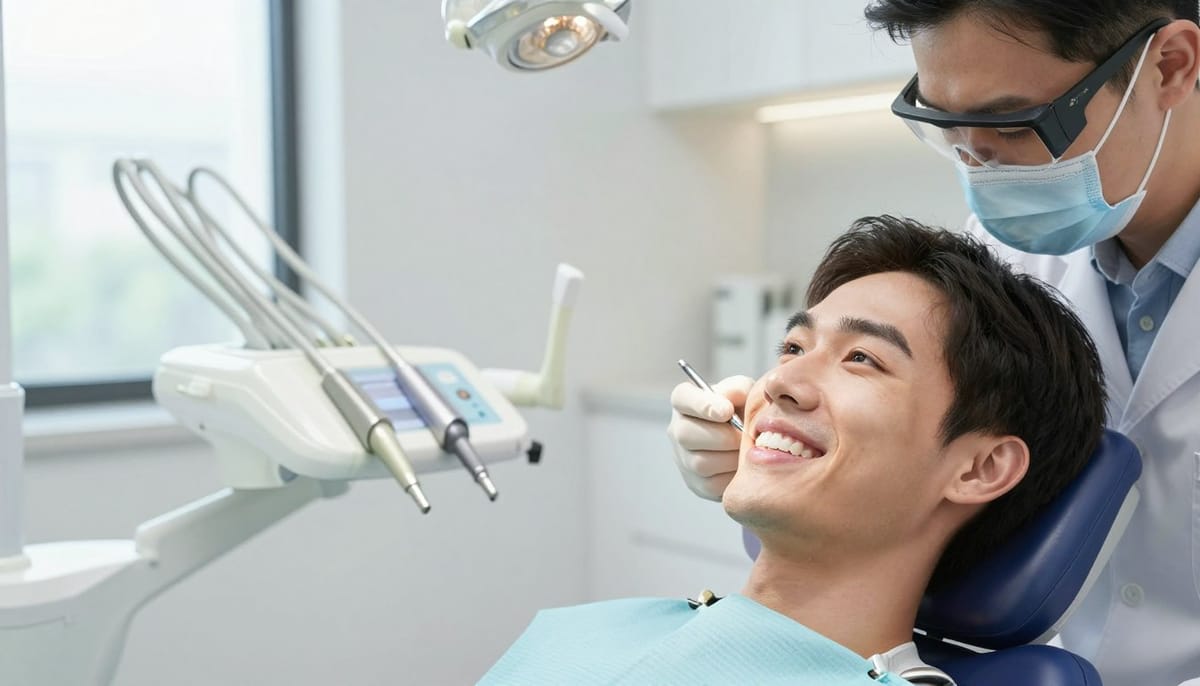
A beautiful smile makeover can boost your confidence and transform your overall appearance. When it comes to enhancing your smile, two popular options are often considered: veneers and crowns. Choosing the right one can be daunting, but understanding the differences and benefits of each can help you make an informed decision.
Cosmetic dentistry has evolved significantly, offering various treatments to achieve the smile you've always wanted. This article will explore the key factors to consider when deciding between veneers and crowns, helping you to enhance your smile with the right option.
"Snap On" Your Dream Smile In Seconds
Key Takeaways
- Understanding the differences between veneers and crowns is crucial for a successful smile makeover.
- Cosmetic dentistry offers various treatments to achieve your desired smile.
- The choice between veneers and crowns depends on several factors, including your oral health and personal preferences.
- A beautiful smile can significantly impact your confidence and overall appearance.
- Consulting with a professional can help you make an informed decision.
For readers looking for a non-invasive, removable alternative, we also reviewed a popular at-home option in our Shiny Smile Veneers review, which breaks down cost, before and after results, and how snap-on veneers compare.
Understanding Dental Aesthetics and Restoration
Restorative dentistry has evolved to not only fix dental problems but also to enhance the aesthetic appeal of one's smile. A healthy, attractive smile is crucial for both personal and professional success, influencing confidence and overall well-being.
The Importance of a Healthy Smile
A healthy smile is more than just aesthetically pleasing; it is a reflection of overall health. Good oral health can prevent various systemic diseases and boost self-confidence. Here are some key benefits:
- Enhanced self-esteem
- Better overall health
- Improved professional opportunities
- Increased social confidence
Investing in cosmetic dental procedures can significantly impact one's quality of life.
Common Dental Issues That Affect Appearance
Several dental issues can affect the appearance of one's smile, including:
- Discoloration
- Misalignment
- Chipped or worn teeth
- Gaps between teeth
These issues can be addressed through various dental restoration techniques, such as veneers and crowns, which offer solutions for smile enhancement.
By understanding the available options, individuals can make informed decisions about their dental care, leading to a more confident and radiant smile.
"Snap On" Your Dream Smile In Seconds
What Are Dental Veneers?
Dental veneers are a popular cosmetic dentistry solution designed to enhance the appearance of your smile. They are thin layers of material placed over the teeth to improve their appearance, shape, size, or color.
Types of Veneers Available
Veneers come in different types, each with its own set of benefits.
Porcelain Veneers
Porcelain veneers are known for their durability and natural appearance. They are highly resistant to stains and can last for many years with proper care.
Composite Veneers
Composite veneers are made from a tooth-colored resin material. They are less expensive than porcelain veneers and can be applied in a single visit.
The Veneer Application Process
The process of applying veneers typically involves several steps, including consultation, preparation of the teeth, and bonding of the veneers. Your dentist will work closely with you to ensure a comfortable and successful procedure.
Immediate Results and Appearance
One of the significant advantages of veneers is the immediate improvement they can make to your smile. They can correct various dental issues, such as discoloration, gaps, or misalignment, giving you a more confident smile.
What Are Dental Crowns?
Dental crowns are a versatile solution for restoring damaged teeth. They are caps that cover the tooth, restoring its shape, size, strength, and appearance.
Dental crowns are used for various purposes, including protecting a weak tooth from breaking, holding a dental bridge in place, covering a dental implant, or restoring a fractured tooth.
Different Types of Dental Crowns
Dental crowns come in different materials, each with its own advantages.
Porcelain and Ceramic Crowns
Porcelain and ceramic crowns are popular for their aesthetic appeal. They can be matched to the color of your natural teeth, making them a great option for visible teeth.
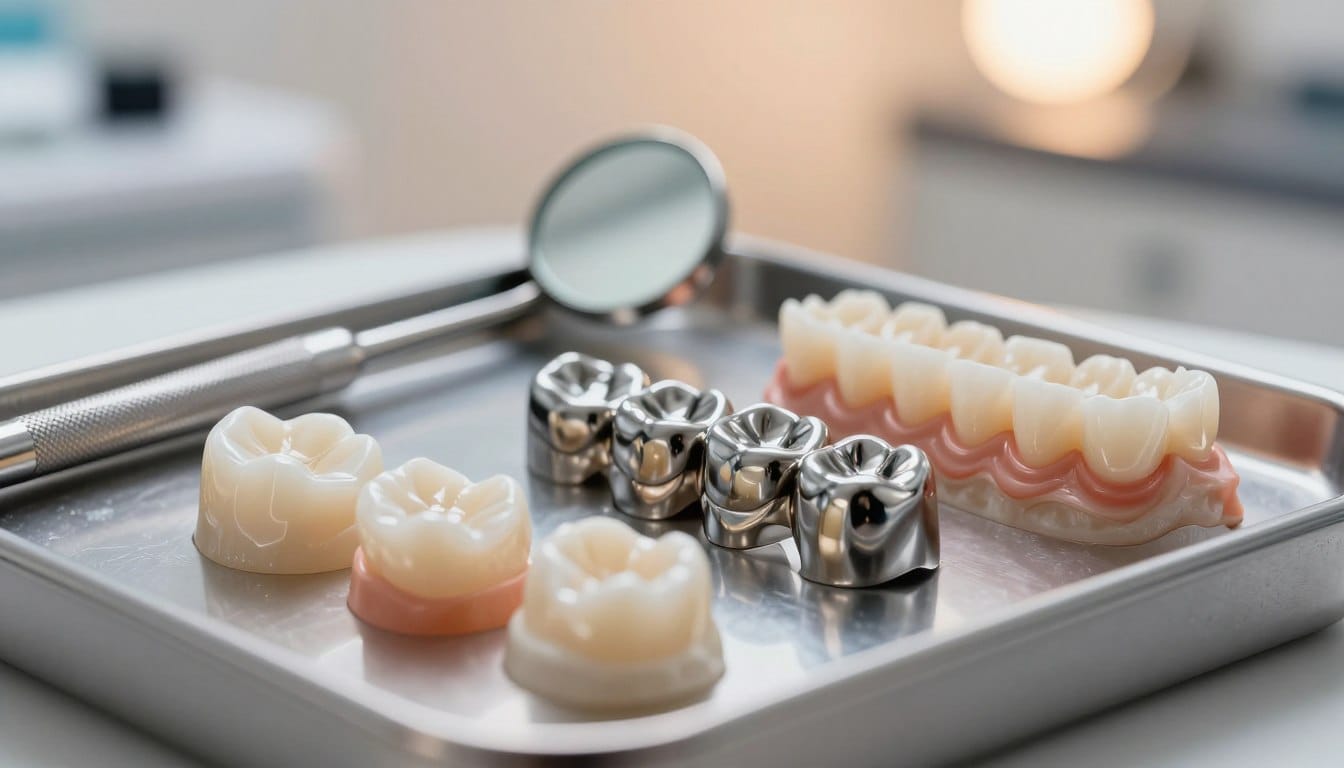
Metal and Porcelain-Fused-to-Metal Crowns
Metal crowns are durable and long-lasting. Porcelain-fused-to-metal crowns combine the strength of metal with the aesthetic appeal of porcelain.
The Crown Placement Procedure
The process of getting a dental crown typically involves two visits to the dentist. During the first visit, the tooth is prepared, and impressions are taken. The crown is then fabricated and cemented into place during the second visit.
Functional Benefits of Crowns
Dental crowns offer several functional benefits, including restoring the strength of a damaged tooth and facilitating normal chewing and speaking functions.
| Type of Crown | Durability | Aesthetic Appeal |
| Porcelain/Ceramic | Medium | High |
| Metal | High | Low |
| Porcelain-Fused-to-Metal | High | Medium |
Veneers vs Crowns: Key Differences
Dental veneers and crowns are two common solutions for improving the appearance and function of teeth, but they differ in several key ways. Understanding these differences is crucial for making an informed decision about your dental care.
"Snap On" Your Dream Smile In Seconds
Structural Differences and Tooth Preparation
The structural differences between veneers and crowns are significant. Veneers are thin layers of material, usually porcelain or composite, that are bonded to the front of teeth to improve their appearance. They require less tooth preparation compared to crowns. Crowns, on the other hand, are caps that cover the entire tooth, restoring its shape, size, and function. They require more extensive tooth preparation to accommodate the crown.
Veneers: Less invasive, requiring minimal enamel removal.
Crowns: More invasive, necessitating significant tooth reshaping.
| Characteristics | Veneers | Crowns |
| Tooth Preparation | Minimal enamel removal | Significant tooth reshaping |
| Coverage | Front surface only | Entire tooth |
| Purpose | Aesthetic improvement | Restorative and aesthetic |
Aesthetic Considerations and Results
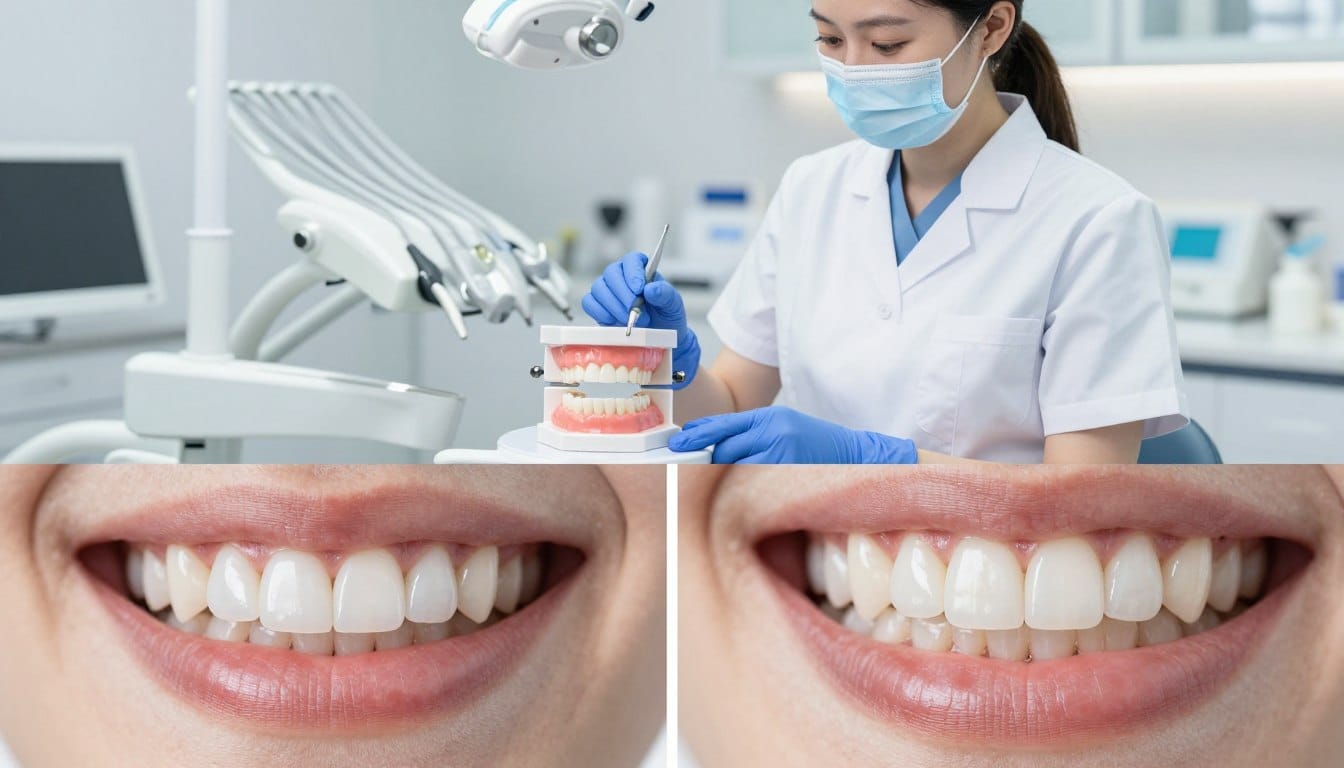
Both veneers and crowns can significantly enhance the appearance of teeth. Veneers are ideal for addressing cosmetic issues such as discoloration, minor misalignments, and gaps. Crowns can also improve appearance but are more focused on restoring the functionality of damaged or decayed teeth.
Impact on Natural Tooth Structure
The impact on natural tooth structure is another critical difference. Veneers require less alteration of the tooth, preserving more of its natural structure. Crowns, however, necessitate more significant changes to accommodate the cap, which can be a consideration for patients concerned about preserving their natural teeth.
In conclusion, the choice between veneers and crowns depends on your specific dental needs and aesthetic goals. Consulting with a dental professional will help determine the most suitable option for enhancing your smile.
Cost Comparison: Veneers vs Dental Crowns
When considering cosmetic dentistry options, understanding the cost differences between veneers and crowns is crucial. The financial aspect plays a significant role in deciding which dental restoration method is most suitable.
Average Pricing in the United States
The cost of veneers and crowns can vary significantly across the United States. On average, veneers can range from $500 to $2,500 per tooth, while crowns can cost between $800 and $1,500 per tooth. Factors influencing these costs include the material used, the dentist's expertise, and the location of the dental practice.
Insurance Coverage and Financing Options
Most dental insurance plans do not cover cosmetic procedures like veneers unless they are deemed medically necessary. However, some plans may cover part of the cost of crowns if they are required for structural reasons. Financing options are available through many dental offices, allowing patients to pay for their treatments in installments.
Long-term Cost Considerations
While the initial cost of veneers might be lower than that of crowns in some cases, their longevity differs. Crowns are generally more durable and can last longer than veneers, potentially making them a more cost-effective option in the long run. It's essential to consider the lifespan of each option when evaluating the overall cost.
"Snap On" Your Dream Smile In Seconds
Durability and Longevity Factors
When considering dental veneers and crowns, understanding their durability is crucial for making an informed decision. Both options are popular for enhancing smiles, but their longevity can vary significantly based on several factors.
How Long Do Veneers Typically Last?
Dental veneers are known for their durability, but their lifespan can vary. On average, porcelain veneers can last between 10 to 15 years, while composite veneers typically last around 5 to 7 years. Proper care, including regular dental check-ups and good oral hygiene, can significantly extend their lifespan.
According to a study published in the Journal of Dental Research, the survival rate of veneers can be as high as 93.5% over a 10-year period, highlighting their potential for long-term success.
Lifespan of Different Crown Materials
Dental crowns are made from various materials, each with its own durability characteristics. Porcelain-fused-to-metal (PFM) crowns are known for their strength and can last up to 15 years or more. All-ceramic crowns are aesthetically pleasing and can last around 10 to 15 years. Gold crowns are highly durable and can last for decades, often up to 20 years or more, due to gold's biocompatibility and resistance to wear.
| Crown Material | Average Lifespan |
| Porcelain-Fused-to-Metal | 10-15 years |
| All-Ceramic | 10-15 years |
| Gold | 20+ years |
Factors That Affect Longevity
Several factors can influence the longevity of both veneers and crowns. These include oral hygiene practices, the quality of the restoration, and the patient's diet. Consuming hard or sticky foods can damage veneers and crowns, while good oral hygiene can help prevent decay and gum disease that can compromise these restorations.
"The longevity of dental restorations is directly related to the patient's oral hygiene habits and regular dental care,"
Dr. James Smith, DDS.
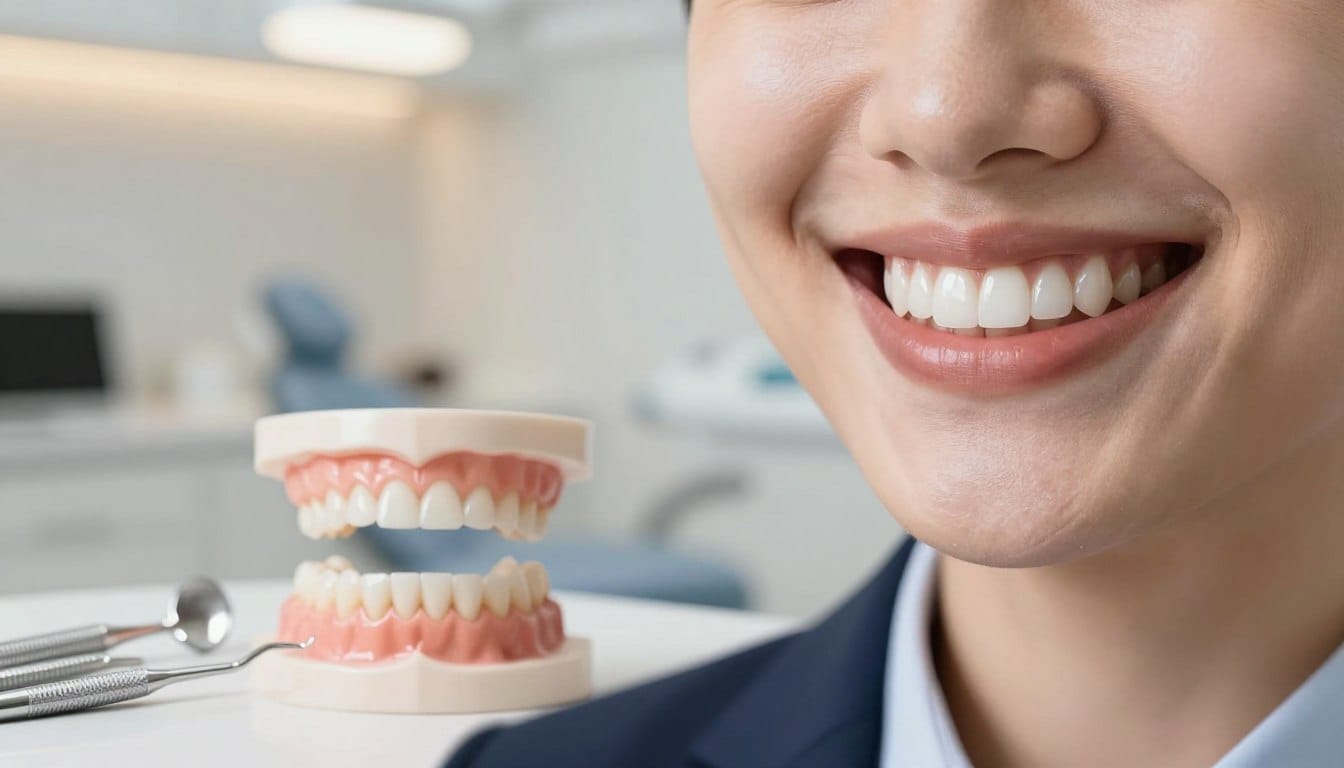
By understanding these factors and maintaining good oral health, patients can maximize the lifespan of their dental veneers and crowns, ensuring a healthy and beautiful smile for years to come.
When to Choose Veneers Over Crowns
If you're considering cosmetic dentistry, understanding when to choose veneers over crowns can make all the difference in your treatment outcome. Veneers are a popular option for those looking to enhance their smile without undergoing extensive dental work.
Ideal Candidates for Veneers
Veneers are particularly suitable for individuals with healthy teeth that are aesthetically compromised. Ideal candidates have teeth that are misshapen, discolored, or slightly misaligned. Veneers can also be used to close small gaps between teeth, enhancing the overall appearance of your smile.
Cosmetic Issues Best Addressed by Veneers
Veneers are effective in addressing various cosmetic issues, including staining or discoloration that cannot be resolved with teeth whitening, chips or cracks in the teeth, and minor misalignments. By applying veneers, patients can achieve a more uniform and attractive smile.
| Cosmetic Issue | Veneers | Crowns |
| Staining/Discoloration | Effective for masking discoloration | More invasive, but can cover severe discoloration |
| Chips/Cracks | Ideal for minor chips and cracks | Better for extensive damage |
Limitations of Veneers
While veneers offer many benefits, they are not without limitations. The procedure is generally irreversible, as it requires the removal of a small amount of enamel from the tooth surface. Additionally, veneers may not be suitable for teeth that are severely damaged or decayed.
Potential Complications
As with any dental procedure, there are potential complications associated with veneers, including sensitivity after the procedure and the possibility of veneer fracture or detachment. Regular dental check-ups can help mitigate these risks.
If permanent dental work isn’t the right fit, snap-on veneers may be worth considering. Our full Shiny Smile Veneers review covers how they work, pricing, and who they’re best for.
When Crowns Are the Better Option
In cases where teeth are severely damaged, crowns are typically the better choice for restoration. Dental crowns offer a comprehensive solution for teeth that are significantly compromised due to decay, damage, or wear. They provide both functional and aesthetic benefits, making them a versatile option in dental restoration.
Structural Damage Requiring Crowns
Teeth that are severely decayed, cracked, or broken may require crowns to restore their structure and function. Crowns cover the entire tooth, providing protection against further damage and decay. They are particularly useful for teeth that have undergone root canal treatment, as they help to seal the tooth and prevent infection.
Common scenarios where crowns are necessary include:
- Teeth with large fillings that need additional support
- Teeth that are cracked or fractured
- Teeth that have been weakened by decay or root canal treatment
Functional Benefits of Dental Crowns
Dental crowns offer several functional benefits, including:
- Restoring the ability to chew and speak properly
- Protecting weak teeth from further damage
- Supporting dental bridges
- Covering dental implants
Crowns can significantly improve the functionality of teeth, enhancing overall oral health and quality of life.
Limitations of Crowns
While crowns are highly effective, they are not without limitations. Some of the key limitations include:
- The need for significant tooth preparation, which can be irreversible
- Potential for increased sensitivity after crown placement
- The possibility of the crown becoming dislodged or damaged over time
Understanding these limitations is crucial for making an informed decision about whether crowns are the right choice.
Potential Complications
As with any dental procedure, there are potential complications associated with crowns. These can include:
- Infection or irritation of the pulp
- Allergic reactions to the materials used
- Crown fracture or dislodgement
Regular dental check-ups can help identify and address these complications early on.
"Snap On" Your Dream Smile In Seconds
The Consultation Process: Working with Your Dentist
The path to achieving your dream smile through dental restoration involves a collaborative effort with your dentist, starting with the consultation. This initial step is crucial in determining the best course of treatment for your specific needs.
What to Expect During Your Initial Consultation
During your first visit, your dentist will conduct a thorough examination of your teeth, gums, and overall oral health. This may include X-rays and impressions of your teeth to assess their structure and alignment.
Key aspects of the initial consultation include:
- Discussion of your aesthetic goals and expectations
- Examination of your teeth and gums
- Review of your medical and dental history
Important Questions to Ask Your Dentist
To ensure you're well-informed, it's essential to ask the right questions during your consultation. Consider inquiring about the dentist's experience with cosmetic dentistry procedures, the materials used for veneers or crowns, and the expected outcomes.
| Question | Purpose |
| What experience do you have with smile makeovers? | Assess the dentist's expertise |
| What materials do you use for veneers/crowns? | Understand the quality and durability of the materials |
Digital Smile Design and Treatment Planning
Many modern dental practices utilize digital smile design technology to help plan and visualize your treatment outcome. This advanced tool allows for a more precise and personalized approach to your dental restoration.
Conclusion: Making the Right Choice for Your Smile
Choosing between veneers and crowns can be a daunting task, but with the right information, you can make an informed decision that enhances your smile. Throughout this article, we've explored the key differences between veneers and crowns, including their structural differences, aesthetic considerations, and functional benefits.
When it comes to smile enhancement through cosmetic dentistry, understanding the nuances of veneers vs crowns is crucial. Veneers are ideal for addressing cosmetic issues such as discoloration, gaps, and misalignment, while crowns are better suited for restoring damaged or decayed teeth.
Ultimately, the decision between veneers and crowns depends on your individual needs and preferences. By consulting with a qualified dentist and considering factors such as durability, cost, and aesthetic goals, you can select the best option for achieving the smile you desire.
With the right choice, you can enjoy a confident, beautiful smile that enhances your overall appearance and quality of life.
FAQ
What is the main difference between veneers and crowns in terms of tooth preparation?
Veneers typically require less tooth preparation compared to crowns, as they are thinner and cover only the front surface of the tooth, whereas crowns cover the entire tooth.
Are veneers and crowns suitable for everyone?
No, the suitability of veneers or crowns depends on individual oral health, the condition of the teeth, and personal preferences. A consultation with a dentist is necessary to determine the best option.
How long do porcelain veneers last?
Porcelain veneers can last between 10 to 20 years or more with proper care and maintenance.
What are the advantages of choosing porcelain crowns over metal crowns?
Porcelain crowns offer a more natural appearance and are less likely to cause allergic reactions compared to metal crowns. They can also be matched to the color of surrounding teeth.
Can I get veneers or crowns if I have gum recession?
Gum recession may need to be addressed before veneers or crowns can be placed. Your dentist will assess the condition of your gums and recommend the necessary treatment.
How much do veneers and crowns cost on average in the United States?
The cost of veneers and crowns varies depending on factors like location, dentist expertise, and materials used. On average, veneers can cost between $500 to $2,500 per tooth, while crowns can range from $800 to $3,000 or more per tooth.
Are veneers and crowns covered by dental insurance?
Insurance coverage for veneers and crowns depends on the type of insurance and the reason for the procedure. Cosmetic procedures may not be covered, while restorative treatments might be partially covered.
Can I eat normally with veneers or crowns?
Yes, you can eat normally with veneers or crowns, but it's recommended to avoid biting or chewing on hard objects to prolong their lifespan.
How do I care for my veneers or crowns?
To care for your veneers or crowns, maintain good oral hygiene by brushing and flossing regularly, and visit your dentist for regular check-ups.